
The allure of uncertainty
The thrill of uncertainty is one of the most significant factors drawing players to casinos. When individuals step into a casino, they enter a world where the outcome of every game is unknown. This unpredictability triggers the brain’s reward system, creating an adrenaline rush that is often likened to a rollercoaster ride. Players often seek platforms like 1win in hopes of finding the idea that they might leave with a significant win, despite the odds being stacked against them. This balancing act of risk and reward creates a unique psychological environment that is both exciting and addictive.
The allure of uncertainty can also be explained through the lens of behavioral economics. Players often engage in cognitive biases that distort their perception of risk and reward. For instance, the gambler’s fallacy may lead individuals to believe that past outcomes influence future results in games of chance. This misconception fuels a desire to keep playing, as individuals think that their luck is bound to change. The unpredictability of each game creates a captivating scenario where the possibility of winning large amounts keeps players on the edge of their seats.
Furthermore, the social environment of casinos amplifies this allure. When individuals are surrounded by others who are also taking risks, the shared experience heightens the excitement. This social aspect can make the risk feel less personal and more communal, as players collectively engage in the thrill of the moment. Gambling becomes a social event, and the accompanying emotional highs and lows can strengthen bonds between friends and acquaintances, making the experience even more appealing.
The impact of reward systems
The psychological mechanism of reward systems plays a crucial role in why players are drawn to casinos. When individuals win, their brains release dopamine, a neurotransmitter associated with pleasure and reward. This biochemical reaction creates a euphoric feeling that reinforces the behavior of playing games. In essence, every small win can be viewed as a mini-celebration, encouraging players to continue engaging in gambling activities. This powerful feedback loop is one reason why people often overlook the negative consequences of their gambling habits.
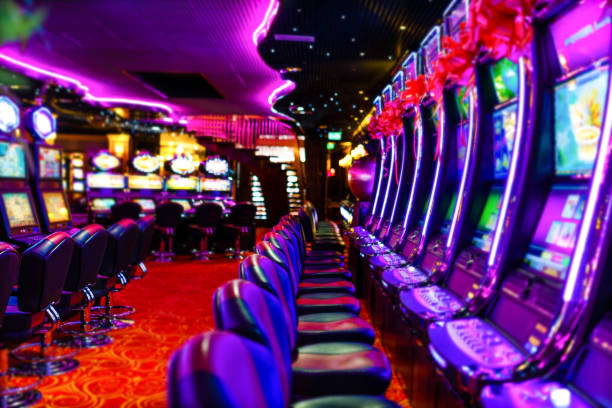
Moreover, casinos are designed to maximize these reward systems. The use of bright lights, celebratory sounds, and visually appealing environments creates an atmosphere rich in stimulation. Casinos often utilize intermittent reinforcement, providing players with occasional wins amidst many losses. This unpredictable reward schedule is highly effective at keeping players engaged since individuals are more likely to repeat behaviors when they receive rewards at irregular intervals. Understanding this psychological aspect helps explain why casinos can be difficult to resist for many players.
Additionally, the concept of near-misses plays a significant role in the gambling experience. When players come close to winning, their emotional response can be similar to that of an actual win, reinforcing their desire to continue playing. These near-miss situations foster a sense of hope and perseverance, as players believe that they are always just one game away from a potential victory. This psychological phenomenon can significantly impact gambling behavior, giving rise to patterns of play that can easily spiral into addiction.
The role of escapism
For many individuals, casinos serve as a form of escapism from the stresses of everyday life. The immersive atmosphere found in a casino allows players to temporarily forget their worries and immerse themselves in a world of excitement and possibility. This ability to escape from reality provides a significant psychological draw, as individuals seek out environments that provide a break from their routines. Whether it’s the chance to win money or simply the thrill of playing, casinos can offer a respite that many find alluring.
Furthermore, the act of gambling can be a way for individuals to assert control over their lives in moments when they feel powerless. As players engage in games, they often believe they can influence outcomes through their decisions and strategies, even though the underlying mechanics are entirely random. This illusion of control can be empowering and can serve as a coping mechanism for individuals dealing with life’s uncertainties and challenges. The casino environment reinforces this perception, encouraging players to take risks that they might avoid in their day-to-day lives.
Moreover, casinos often provide a sense of belonging. The social aspect of gambling, whether it’s cheering for a friend at a table or exchanging stories with fellow players, can create a community around a shared interest. For individuals who may feel isolated or disconnected in their daily lives, the camaraderie found in casinos can be incredibly appealing. This social reinforcement, combined with the escape from reality, cultivates a strong motivation for players to return, even if they experience losses.
Addiction and its consequences
The psychology of risk in casinos can sometimes lead to destructive behaviors, including gambling addiction. While many individuals enjoy gambling recreationally, for some, the thrill of risk turns into a compulsive need to play. Those who develop a gambling addiction may experience significant consequences in their personal, financial, and social lives. The initial excitement that draws players in can morph into a dependency, leading individuals to prioritize gambling over essential responsibilities.

Understanding the signs of gambling addiction is crucial for both players and their loved ones. Many individuals may initially rationalize their behavior, believing they can control their gambling habits. However, the psychology of risk often downplays potential losses while amplifying wins, leading to a distorted perception of reality. If unchecked, gambling addiction can lead to severe financial troubles and strained relationships, as players prioritize their gambling needs over family and financial obligations.
Support systems and treatment options are available for those grappling with gambling addiction. Recognizing the psychological factors at play can help individuals understand their behaviors better and seek appropriate help. Programs focused on fostering healthy gambling habits and promoting responsible play emphasize the importance of balancing entertainment with self-control. By addressing the underlying psychological mechanisms, those affected can work towards regaining control over their lives and breaking free from the cycle of addiction.
Your next gaming experience
As you consider your next gaming experience, it’s essential to remain aware of the psychological dynamics at play. Understanding the allure of risk can help clarify why casinos are such enticing environments. Whether you’re playing for fun or exploring the thrill of chance, being mindful of your motivations can enhance your experience. Enjoying gambling responsibly allows you to appreciate the excitement without falling victim to the darker sides of risk.
Ultimately, the intersection of psychology, social interaction, and the thrilling world of casinos creates a complex landscape that entices players. By recognizing the emotional and psychological draws of gambling, you can make informed decisions about your gaming habits. This approach not only ensures a more enjoyable experience but also fosters a healthier relationship with risk and reward.
Visiting a casino or engaging in gaming online can be an exhilarating experience, but it is essential to approach it with a balanced mindset. Familiarizing yourself with the psychological aspects behind gambling can transform your experience, making it more enjoyable while mitigating potential pitfalls. Embrace the excitement, but always remember to play responsibly and be aware of your limits, ensuring that your gaming adventures remain a source of fun rather than stress.